UAE Tax Changes Impacting Cash Flow
The UAE has long been recognized as a tax-friendly jurisdiction, attracting global investors and entrepreneurs. However, recent regulatory developments have reshaped the financial landscape. The introduction of corporate tax, evolving VAT regulations, and stricter compliance measures are significantly influencing how businesses manage their finances.
For companies operating in the UAE, understanding these changes is no longer optional. Cash flow, the lifeline of any business, is directly impacted by taxation policies. From delayed refunds to increased compliance costs, businesses must adapt to maintain financial stability.
This blog explores the most important UAE tax changes and how they affect cash flow, along with strategies to navigate these shifts effectively.
Overview of the UAE Tax System Evolution
The UAE historically maintained a tax-free environment for most sectors, with exceptions for oil companies and foreign banks. However, in recent years, the government has introduced structured taxation to diversify revenue sources.
The introduction of VAT in 2018 marked the beginning of this transformation. More recently, corporate tax was implemented, signaling a shift toward a more globally aligned tax framework.
These changes are designed to enhance transparency and economic sustainability, but they also require businesses to rethink financial planning, especially cash flow management.
Corporate Tax and Its Cash Flow Implications
Introduction of Corporate Tax : The UAE introduced a federal corporate tax applicable to business profits exceeding a specified threshold. While the rate is competitive globally, it still represents a new financial obligation for many businesses. Corporate tax payments reduce retained earnings, directly affecting available cash. Companies that previously operated without such obligations must now allocate funds for tax liabilities.
Advance Tax Planning Requirements : Businesses must now forecast profits more accurately to ensure sufficient liquidity for tax payments. Poor planning can lead to cash shortages, especially for SMEs with tight margins.
Impact on Business Expansion: Cash that could have been reinvested into growth, such as hiring, infrastructure, or marketing, may now be diverted toward tax obligations. This can slow expansion plans if not managed strategically.
VAT Adjustments and Cash Flow Challenges
Input and Output VAT Timing : VAT is collected on behalf of the government, but timing differences between paying suppliers and receiving payments from customers can create cash flow gaps.For example, businesses may need to pay VAT before receiving customer payments, leading to temporary liquidity pressure.
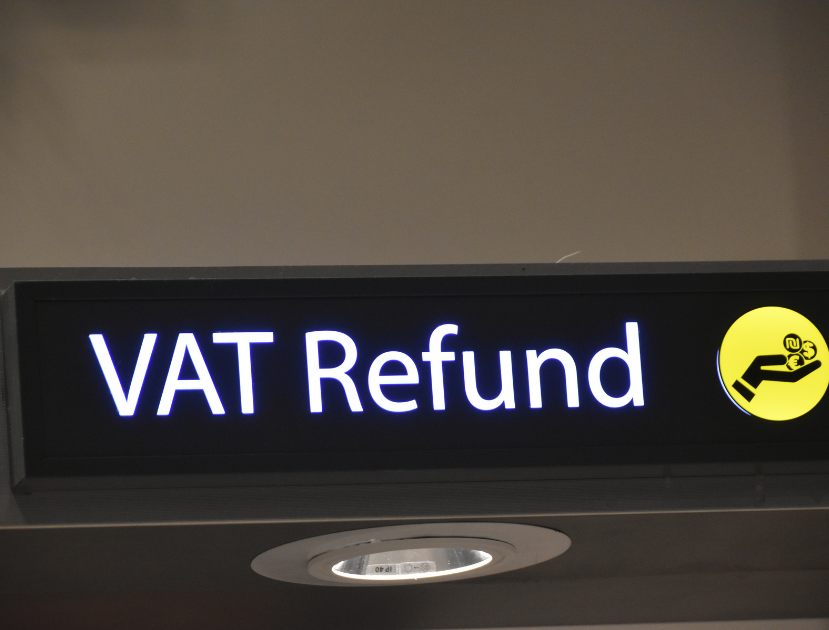
Delays in VAT Refunds : Companies eligible for VAT refunds often face delays in receiving them. This can tie up significant amounts of working capital, especially for export-oriented businesses.
Increased Compliance Costs : VAT compliance requires accurate record-keeping, filing, and audits. Many businesses invest in accounting systems or professional services, increasing operational expenses and impacting cash flow
Economic Substance Regulations (ESR)
Economic Substance Regulations require certain businesses to demonstrate real economic activity within the UAE.
These regulations may not directly impose taxes but lead to additional reporting and operational costs. Businesses must maintain adequate staff, premises, and expenditures in the UAE, which can strain cash reserves. Failure to comply can result in penalties, further affecting financial stability.
Transfer Pricing and Documentation Requirements
With corporate tax implementation, transfer pricing rules have gained importance. Businesses engaged in transactions with related parties must ensure compliance with arm’s length principles.
This requires documentation, benchmarking studies, and sometimes restructuring of operations.
All these activities incur costs, and improper compliance can lead to penalties, increasing financial burden and impacting cash flow.
Withholding Tax Considerations
Although the UAE currently applies a 0% withholding tax in most cases, businesses dealing internationally must consider foreign withholding taxes.
Cross-border transactions can result in reduced cash inflows due to taxes deducted abroad. Companies must plan accordingly to avoid liquidity issues.
Digital Tax Compliance and Real-Time Reporting
The UAE is moving toward increased digitalization in tax compliance. Real-time reporting and e-invoicing systems are expected to become more prominent.
While these systems improve transparency, they also require investment in technology and training.
For businesses, this means upfront costs and ongoing maintenance expenses, both of which influence cash flow.
Penalties and Compliance Risks
Non-compliance with UAE tax regulations can lead to significant penalties.
Late filings, incorrect reporting, or missed payments can result in fines that directly impact cash reserves.
Businesses must allocate resources to ensure compliance, including hiring professionals or outsourcing tax management.
Strategies to Manage Cash Flow Amid Tax Changes
Effective Tax Planning : Businesses should integrate tax planning into their financial strategies. Forecasting liabilities and setting aside funds can prevent sudden cash shortages.
Optimizing Working Capital :Managing receivables and payables efficiently can help offset tax-related cash flow pressures. Faster collections and negotiated payment terms can improve liquidity.
Leveraging Technology : Accounting software and automation tools can streamline compliance and reduce manual errors, ultimately saving time and money.
Professional Guidance : Engaging tax experts ensures compliance while identifying opportunities for optimization. This can significantly improve cash flow management.
Impact on SMEs vs Large Corporations
Small and medium enterprises (SMEs) are more vulnerable to cash flow disruptions due to limited financial buffers. Large corporations, while better equipped, still face challenges in compliance and restructuring. Understanding the unique impact on each business type is essential for developing tailored strategies.
Future Outlook of UAE Taxation
The UAE is expected to continue refining its tax framework in alignment with global standards. Businesses should anticipate further changes, including enhanced reporting requirements and possible adjustments to existing regulations. Proactive planning and adaptability will be key to maintaining healthy cash flow in this evolving environment.
About My Taxman
My Taxman is a trusted tax consultancy firm specializing in UAE taxation, VAT compliance, and corporate tax advisory. With a team of experienced professionals, My Taxman helps businesses navigate complex tax regulations while optimizing financial performance. From compliance support to strategic tax planning, My Taxman ensures that businesses remain financially efficient and fully compliant with UAE laws.