Tax Audit Timeline 2026 is a topic that many taxpayers are searching for as compliance rules tighten and digital tracking becomes more sophisticated. Whether you are a salaried individual, a freelancer, or a business owner, receiving a tax audit notice can feel intimidating. However, understanding the exact stages from the initial notice to the final assessment can reduce anxiety and help you respond strategically.
In 2026, tax authorities across many jurisdictions are relying heavily on AI-based risk assessment systems, data matching, and cross-platform financial monitoring. This means audits are often triggered by data inconsistencies, high-value transactions, or unusual deductions. Let’s break down the timeline in detail and walk through real-life inspired scenarios so you know exactly what to expect.
Understanding the Tax Audit Timeline 2026
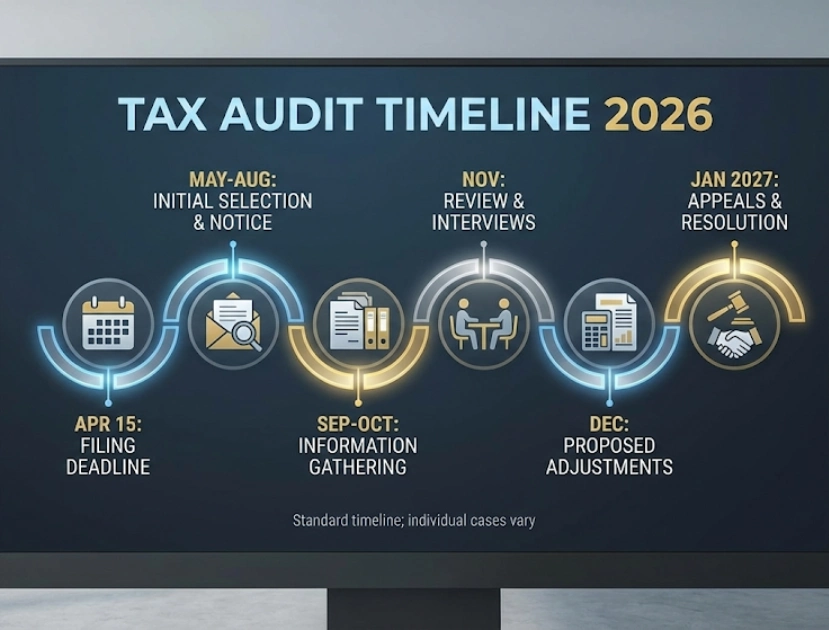
The Tax Audit Timeline 2026 typically follows a structured progression. Although the exact duration may vary depending on complexity, most audits follow a predictable path. From the moment you receive a notice, a formal procedure begins.
In 2026, digital communication has shortened certain timelines, but it has also increased scrutiny. Authorities can now access financial records, bank statements, and third-party reports more efficiently. As a result, response deadlines are strictly enforced.
The audit process can be divided into several major stages: issuance of notice, submission of documents, review and clarification, hearing or discussion, draft findings, and final assessment.
Receiving the Audit Notice
The first step in the Tax Audit Timeline 2026 is receiving an official notice. This may arrive through your registered email, digital tax portal, or by post. The notice typically includes the assessment year, reason for scrutiny, and a deadline for submission of documents.
In a real case from early 2026, a small e-commerce seller received a notice because reported sales did not match payment gateway records. The discrepancy was minor but flagged by automated systems. The notice requested invoices, bank statements, and GST reconciliation.
The notice itself does not mean wrongdoing. It simply indicates that the tax department needs clarification.
Document Submission and Initial Response
Once the notice is received, the next phase in the Tax Audit Timeline 2026 involves gathering and submitting documentation. This is one of the most critical steps. Delays or incomplete submissions can complicate the audit.
Documentation may include income statements, expense receipts, investment proofs, loan agreements, payroll records, or foreign income disclosures. In 2026, most authorities require digital uploads via official portals.
For example, a consultant who claimed high travel deductions was asked to provide travel tickets, hotel invoices, and client contracts. Upon submission, the department cross-verified with airline data systems.
Your response should be timely, organized, and professionally prepared. A well-structured submission often shortens the overall audit timeline.
Review and Clarification Requests
After documents are submitted, tax officers review the materials. In the Tax Audit Timeline 2026, this review phase may take several weeks or months, depending on complexity.
During this stage, authorities may send follow-up queries seeking clarification. These requests may ask for additional explanation regarding discrepancies, unusual deductions, or unexplained credits.
In one 2026 real scenario, a salaried individual reported large capital gains but failed to reconcile brokerage statements. The tax officer requested transaction-wise profit calculations. Once clarified, the issue was resolved without penalties.
Personal Hearing or Virtual Meeting
In more complex cases, the Tax Audit Timeline 2026 includes a hearing stage. This may occur physically or virtually through video conferencing.
During the hearing, the taxpayer or their representative explains submitted records and answers questions. Officers may focus on inconsistencies or high-risk areas.
For instance, a startup claimed substantial R&D deductions. The officer scheduled a virtual hearing to verify eligibility and request technical documentation. After detailed explanation and supporting contracts, the claim was partially accepted.
Preparation is crucial. Professional representation can make a significant difference at this stage.
Draft Assessment Order
Once the review and hearings conclude, authorities issue a draft assessment order. This document outlines findings, accepted claims, disallowed deductions, and proposed tax liability.
In the Tax Audit Timeline 2026, taxpayers usually receive an opportunity to respond to the draft before finalization. This is a critical window to contest incorrect interpretations.
A retail business owner in 2026 faced a draft order disallowing certain cash expenses. By submitting supplier confirmations and bank trail evidence, the proposed addition was reduced significantly.
This stage often determines the final outcome.
Final Assessment and Demand Notice
The final stage in the Tax Audit Timeline 2026 is issuance of the final assessment order. This document confirms tax payable, penalties if applicable, and payment deadlines.
If the taxpayer disagrees, appeal options are available within a specified time frame. Appeals must be filed carefully and supported with documentation.
In many 2026 cases, penalties were waived when taxpayers demonstrated genuine reporting errors rather than intentional evasion.
Typical Duration of the Tax Audit Timeline 2026
In straightforward cases, the entire process may conclude within three to six months. Complex audits involving multiple years, international transactions, or corporate structures may extend beyond a year.
Digital systems have accelerated detection but not necessarily shortened dispute resolution. Each stage depends on responsiveness, documentation quality, and complexity.
Common Triggers for Tax Audit in 2026
Understanding triggers helps you avoid entering the Tax Audit Timeline 2026 unnecessarily. Common triggers include mismatched income reports, unusually high deductions, frequent amended returns, large cash deposits, foreign asset disclosures, and cryptocurrency transactions.
Automated data-matching tools compare employer filings, bank reports, investment platforms, and tax returns in real time. Even small mismatches can generate automated notices.
Taxpayer Rights During Audit
During the Tax Audit Timeline 2026, taxpayers have rights. You have the right to receive clear explanations, reasonable time to respond, professional representation, and appeal opportunities.
Authorities are also required to maintain confidentiality and follow procedural fairness. Knowing your rights helps reduce stress and ensures compliance without intimidation.
How to Stay Prepared in 2026
Preparation is the best defense. Maintain organized records, reconcile financial statements regularly, and review tax returns carefully before filing.
Digital accounting software and periodic internal audits help identify discrepancies early. Consulting a tax professional before filing can significantly reduce audit risk.
The Tax Audit Timeline 2026 is manageable when you approach it proactively rather than reactively.
About My Taxman
My Taxman is a trusted tax advisory and compliance support platform dedicated to helping individuals and businesses navigate complex tax regulations with confidence. From audit representation and tax filing to strategic planning and dispute resolution, My Taxman provides expert-driven solutions tailored to modern compliance requirements. With a client-first approach and deep understanding of evolving tax laws, My Taxman ensures transparency, accuracy, and peace of mind throughout every stage of the tax process.