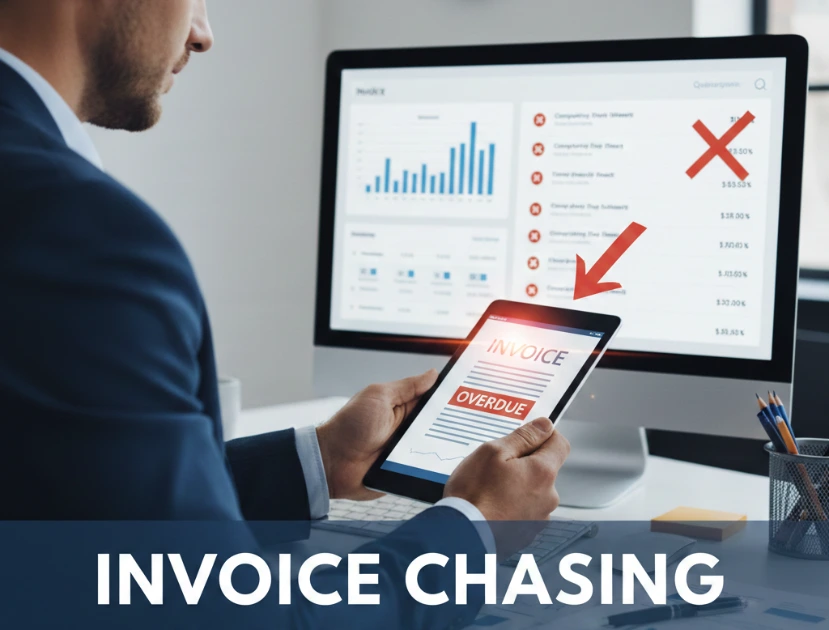
Invoice chasing UAE SMEs is no longer just an accounting task; it is a survival strategy. For small and medium-sized businesses operating in the fast-moving economy of the United Arab Emirates, delayed payments can quietly erode cash flow, stall growth, and strain relationships. This playbook is designed to help UAE SMEs collect receivables faster while maintaining professionalism, compliance, and long-term client trust.
Why Invoice Chasing Is a Critical Issue for UAE SMEs
The UAE is known for its vibrant SME ecosystem, but payment delays are one of the most common challenges businesses face. Many SMEs extend credit to stay competitive, yet end up financing their customers’ operations unintentionally. Long payment cycles, sometimes stretching to 60, 90, or even 120 days, can disrupt payroll, tax compliance, and supplier payments.
Unlike large corporations, SMEs often lack dedicated credit control teams. Owners and finance managers juggle sales, operations, and collections at the same time. This makes invoice chasing for UAE SMEs a delicate balance between persistence and relationship management.
Understanding the Root Causes of Late Payments in the UAE
Late payments rarely happen without reason. In the UAE SME space, they often stem from unclear payment terms, informal agreements, missing documentation, or approval bottlenecks on the client side. Sometimes, invoices are simply forgotten in busy finance departments. In other cases, clients prioritise vendors who follow up more aggressively.
Cultural considerations also matter. Businesses in the UAE value respect and long-term relationships, so overly aggressive chasing can backfire. Successful receivables collection requires structured processes combined with tactful communication.
Setting the Foundation Before the Invoice Is Raised
The most effective invoice chasing UAE SMEs strategy starts before any invoice is issued. Clear payment terms should be embedded in contracts, proposals, and engagement letters. These terms need to specify due dates, penalties for late payment if applicable, and accepted payment methods.
Equally important is ensuring that client onboarding includes accurate billing details. Many delays happen because invoices are sent to the wrong email or lack a purchase order number. When expectations are aligned upfront, chasing later becomes easier and less confrontational.
Creating Invoices That Get Paid Faster
Well-structured invoices significantly reduce payment delays. In the UAE, clients expect invoices to be professional, compliant, and easy to process. This means including all mandatory details such as TRN numbers, VAT breakdowns, and correct legal names.
Invoices should be issued immediately after service delivery or milestone completion. Delayed invoicing often signals low urgency, subconsciously encouraging clients to delay payment further. For invoice chasing UAE SMEs, speed and clarity are powerful tools.
Timing Your Follow-Ups for Maximum Impact
Many SMEs make the mistake of waiting until invoices are overdue before following up. In reality, proactive reminders work far better. A polite reminder a few days before the due date positions your business as organized and serious about cash flow.
Once the due date passes, follow-ups should be consistent but respectful. In the UAE business environment, tone matters. Firm yet courteous communication preserves relationships while reinforcing expectations. Effective invoice chasing for UAE SMEs relies on rhythm rather than aggression.
Using Psychology to Improve Payment Responses
Human behaviour plays a big role in collections. Personalised communication consistently outperforms generic reminder emails. Addressing the client by name, referencing the specific project, and acknowledging their business relationship increases response rates.
Another effective tactic is framing payments as routine rather than exceptional. Language that implies payment is expected, rather than requested, subtly nudges clients toward action. This psychological approach has proven highly effective in invoice chasing UAE SMEs without damaging goodwill.
Leveraging Automation Without Losing the Human Touch
Technology has transformed receivables management in the UAE. Automated invoicing and reminder systems ensure no invoice slips through the cracks. Automation reduces dependency on memory and manual tracking, freeing SMEs to focus on growth.
However, automation should support—not replace—human judgment. Escalations, payment disputes, or high-value invoices still require personal attention. The best invoice chasing UAE SMEs frameworks blend smart automation with timely human intervention.
Handling Disputes and Excuses Professionally
Disputes are inevitable, but unresolved disputes are expensive. When a client raises an issue, immediate acknowledgement is critical. Delayed responses often give clients an excuse to delay payment indefinitely.
The goal is to separate genuine disputes from stalling tactics. Clear documentation, written approvals, and signed agreements help resolve disagreements quickly. In invoice chasing UAE SMEs, documentation is leveraged.
Knowing When and How to Escalate
There comes a point when polite reminders are no longer enough. Escalation does not mean hostility—it means structure. This may involve involving senior management, issuing formal demand letters, or revisiting contractual remedies.
In the UAE, legal escalation is effective but should be approached cautiously. Many SMEs recover payments faster by signalling readiness to escalate rather than immediately taking legal action. Strategic escalation is a cornerstone of advanced invoice chasing UAE SME practices.
Aligning Receivables With VAT and Tax Compliance
Late collections can create tax stress, especially with VAT obligations. UAE businesses are required to account for VAT based on invoicing, not cash receipt, in many cases. This means SMEs may pay VAT on invoices that remain unpaid.
Strong invoice chasing UAE SMEs processes reduce this risk by improving cash inflows and ensuring tax liabilities are funded on time. Receivables management is not just about cash—it is about compliance and financial stability.
Building a Cash Flow–Focused Culture Internally
Invoice chasing should not sit solely with the finance team. Sales, operations, and leadership must all understand how payment delays affect the business. When teams are aligned, they are more likely to secure timely approvals, documentation, and follow-ups.
A culture that respects cash flow treats collections as a shared responsibility. This internal alignment strengthens every invoice chasing UAE SMEs’ effort.
Measuring and Improving Your Collection Performance
What gets measured gets improved. Tracking metrics such as average collection days, overdue percentages, and client payment behavior reveals patterns. These insights allow SMEs to refine credit terms and prioritize high-risk accounts.
Regular review of receivables performance transforms invoice chasing UAE SMEs from a reactive task into a proactive strategy.
About My Taxman
My Taxman is a trusted UAE-based advisory firm supporting SMEs with accounting, VAT, corporate tax, and financial compliance. Beyond numbers, My Taxman helps businesses build systems that protect cash flow, reduce risk, and enable sustainable growth. With deep understanding of the UAE regulatory landscape, My Taxman partners with SMEs to turn financial management into a competitive advantage.