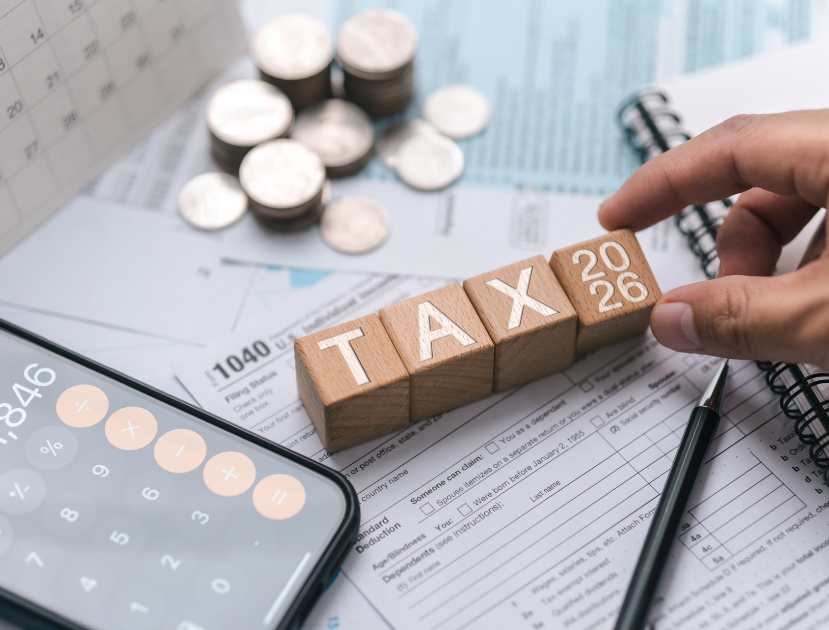
Corporate Tax Planning 2027 is becoming increasingly important as businesses face evolving tax regulations, economic shifts, and global compliance standards. Companies that proactively plan their taxes can not only reduce liabilities but also improve operational efficiency and long-term profitability. With governments tightening compliance frameworks and introducing digital tax monitoring systems, businesses must stay ahead by adopting strategic and well-structured tax planning methods.
In 2027, corporate tax planning is no longer just about minimising taxes, it is about aligning tax strategies with overall business goals. Organisations need to integrate tax planning into their financial decisions to remain competitive, compliant, and financially strong.
Understanding Corporate Tax Planning 2027
Corporate tax planning refers to the process of analyzing a company’s financial situation to ensure tax efficiency. It involves the use of legal methods to minimize tax liabilities while complying with applicable laws and regulations.
In 2027, tax planning is expected to become more data-driven and technology-oriented. Businesses will rely on automation, AI-based compliance tools, and real-time financial tracking to manage their taxes effectively. This shift highlights the importance of staying updated with the latest tax reforms and adopting modern tools for better planning.
Key Changes Expected in Corporate Taxation in 2027
Digital Tax Systems and Automation : Governments worldwide are moving toward digitized tax systems. Real-time reporting, e-invoicing, and AI-based audits are becoming standard practices. Companies must ensure their accounting systems are aligned with these digital requirements to avoid penalties and ensure seamless compliance.
Global Minimum Tax and International Regulations : With globalization, multinational corporations are facing stricter international tax rules. Policies like global minimum tax frameworks aim to prevent tax base erosion. Businesses operating across borders must carefully plan their tax structures to comply with these regulations while maintaining profitability.
Increased Compliance and Transparency : Tax authorities are focusing on transparency and stricter compliance. Companies will need to maintain accurate documentation, detailed reporting, and clear audit trails. This makes corporate tax planning more critical than ever.
Importance of Corporate Tax Planning for Businesses
Corporate tax planning is not just a compliance activity; it is a strategic tool for financial management. Proper planning helps businesses reduce unnecessary tax burdens, improve cash flow, and allocate resources more efficiently.
In 2027, companies that fail to plan their taxes effectively may face higher liabilities, penalties, and reputational risks. On the other hand, businesses with strong tax strategies can reinvest their savings into growth initiatives, innovation, and expansion.
Strategies for Effective Corporate Tax Planning in 2027
Aligning Tax Planning with Business Goals : Corporate tax planning should be integrated with overall business strategies. Whether a company aims to expand, invest, or restructure, tax implications must be considered at every stage. This ensures better decision-making and optimized financial outcomes.
Leveraging Tax Incentives and Deductions : Governments offer various tax incentives to encourage business growth, research, and development. Companies should identify and utilize these benefits to reduce their tax burden legally. Proper documentation and timely filing are essential to claim these incentives.
Structuring Business Operations Efficiently : The way a business is structured has a significant impact on its tax liabilities. Companies should evaluate their organizational structure, subsidiaries, and operational models to ensure tax efficiency. This includes considering mergers, acquisitions, and restructuring where beneficial.
Managing Expenses and Investments : Tracking and categorizing expenses accurately is crucial for tax planning. Businesses should ensure that all eligible expenses are recorded and claimed. Strategic investments can also provide tax advantages while supporting long-term growth.
Utilizing Technology for Tax Planning: Technology plays a vital role in modern tax planning. Automated accounting systems, AI-driven analytics, and cloud-based platforms help businesses maintain accurate records and ensure compliance. These tools also provide insights that support better tax decision-making.
Challenges in Corporate Tax Planning for 2027
Despite its benefits, corporate tax planning comes with challenges. Rapid changes in tax laws, increased scrutiny from authorities, and complex international regulations can make planning difficult.
Businesses must stay updated with regulatory changes and seek expert guidance when needed. Failure to adapt to new tax environments can result in financial losses and compliance issues.
Role of Professional Tax Advisors : Professional tax advisors play a crucial role in corporate tax planning. They help businesses understand complex tax laws, identify opportunities for savings, and ensure compliance with regulations.
In 2027, the role of tax professionals is expected to evolve further with the integration of technology and data analytics. Businesses should work closely with experienced advisors to develop effective tax strategies.
Future Trends in Corporate Tax Planning
Corporate tax planning in 2027 will be shaped by several emerging trends. Sustainability and ESG (Environmental, Social, and Governance) factors are becoming important in tax policies. Governments may offer incentives for environmentally responsible practices, encouraging businesses to adopt sustainable operations.
Additionally, the use of artificial intelligence and machine learning will continue to grow, enabling more accurate forecasting and efficient tax management. Companies that embrace these trends will be better positioned to succeed in a competitive environment.
Final Thoughts
Corporate Tax Planning for 2027 is essential for businesses aiming to achieve financial stability and growth. With evolving regulations, digital transformation, and increased compliance requirements, companies must adopt proactive and strategic approaches to tax planning.
By aligning tax strategies with business goals, leveraging technology, and staying informed about regulatory changes, organisations can minimise tax liabilities and maximise profitability. Effective tax planning is not just about saving money; it is about building a strong foundation for long-term success.
About My Taxman
My Taxman is a trusted platform dedicated to providing expert tax solutions for businesses and individuals. With a focus on accuracy, compliance, and strategic planning, My Taxman helps clients navigate complex tax regulations with ease. From corporate tax planning to financial advisory services, the platform ensures that clients achieve optimal tax efficiency while staying fully compliant with the law. Their team of professionals combines industry expertise with modern technology to deliver reliable and effective tax solutions.
FAQs
What is Corporate Tax Planning and Why is it Important in 2027?
Corporate tax planning involves analyzing financial activities to minimize tax liability while complying with laws. In 2027, its importance increases due to stricter regulations, digital tax systems, and global compliance requirements. Businesses need proper planning to avoid penalties, improve cash flow, and maintain competitiveness. It also helps in aligning financial decisions with long-term goals. Without effective tax planning, companies may face unnecessary tax burdens and financial inefficiencies, making it a critical component of modern business strategy.
How Can Businesses Reduce their Tax Liability Legally?
Businesses can reduce tax liability by utilising deductions, credits, and government incentives. Proper expense tracking, investment planning, and efficient structuring of operations also help. Companies should stay updated with tax laws and ensure compliance to avoid penalties. Leveraging technology and consulting tax experts further enhances tax efficiency. Legal tax reduction strategies not only save money but also improve financial planning and resource allocation for future growth.
What Role does Technology Play in Tax Planning?
Technology plays a significant role in modern tax planning by automating processes, ensuring accuracy, and improving compliance. Tools like AI-based accounting systems and cloud platforms provide real-time financial insights. They help businesses track transactions, generate reports, and identify tax-saving opportunities. In 2027, digital tax systems will make technology essential for efficient tax management and compliance.
What are the Challenges in Corporate Tax Planning?
Corporate tax planning faces challenges such as changing regulations, complex international laws, and increased scrutiny from tax authorities. Businesses must adapt to digital systems and maintain transparency. Keeping up with frequent updates in tax policies can be difficult. Additionally, errors in compliance may lead to penalties. Overcoming these challenges requires proper planning, updated knowledge, and professional guidance.
How do Global Tax Regulations Impact Businesses?
Global tax regulations affect multinational companies by imposing minimum tax rates and preventing profit shifting. Businesses operating internationally must comply with these rules to avoid penalties. These regulations increase transparency and ensure fair taxation. Companies need to plan their operations carefully to manage tax obligations across different jurisdictions while maintaining profitability
Why is Compliance Important in Corporate Tax Planning?
Compliance ensures that businesses follow tax laws and avoid legal issues. Non-compliance can lead to penalties, audits, and reputational damage. In 2027, with digital monitoring systems, maintaining compliance is more critical than ever. Proper documentation, accurate reporting, and timely filing help businesses stay compliant and build trust with authorities.
How Can Small Businesses Benefit from Tax Planning?
Small businesses can benefit from tax planning by reducing liabilities, improving cash flow, and maximizing profits. It helps them utilize available deductions and incentives effectively. Proper planning also ensures compliance and avoids penalties. For small businesses, efficient tax management can significantly impact financial stability and growth.
When Should a Company Start Tax Planning for 2027?
Companies should start tax planning well in advance, ideally at the beginning of the financial year. Early planning allows businesses to align their strategies, track expenses, and utilize available benefits effectively. Waiting until the end of the year may limit opportunities for tax savings. Continuous monitoring and adjustments throughout the year ensure optimal results.