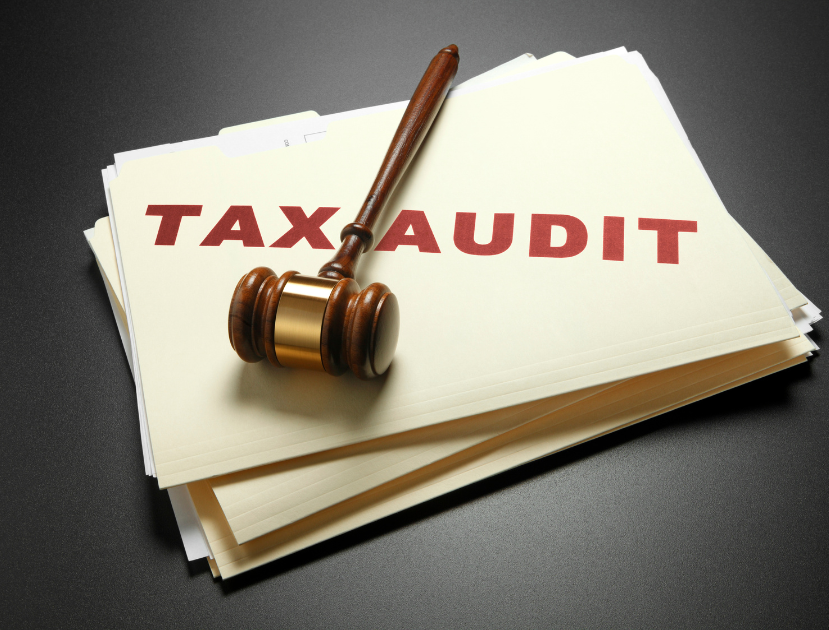
FTA Risk-Based Audits in 2026
FTA Risk-Based Audits in 2026 are becoming one of the most significant compliance concerns for businesses operating in the UAE. As the UAE tax environment continues to mature, the Federal Tax Authority (FTA) is increasingly relying on advanced data analytics, digital reporting systems, and risk assessment frameworks to identify taxpayers who may require closer examination. Rather than conducting random audits, the FTA now focuses its resources on businesses that present higher levels of tax risk, allowing the authority to improve efficiency while encouraging greater compliance across all sectors.
FTA Risk-Based Audits in 2026: Who Gets Targeted and Why?
The UAE tax system has evolved significantly since the introduction of Value Added Tax (VAT) in 2018 and Corporate Tax in 2023. As businesses adapt to these regulations, the FTA has enhanced its audit capabilities to detect inconsistencies, errors, and potential non-compliance. In 2026, risk-based audits have become the preferred method of tax examination because they enable the authority to focus on entities that exhibit patterns associated with higher compliance risks.
For businesses, understanding how risk-based audits work is essential. Organisations that know the factors triggering audits can take proactive measures to strengthen compliance, improve record keeping, and reduce the likelihood of costly penalties.
Understanding FTA Risk-Based Audits
A risk-based audit is a structured review process where the FTA uses various indicators to determine whether a taxpayer presents a higher probability of tax non-compliance. Instead of selecting companies randomly, the authority evaluates financial information, tax returns, industry benchmarks, transaction records, and third-party data to identify unusual patterns.
The purpose of a risk-based audit is not merely to penalise businesses but to ensure the integrity of the UAE tax system. By targeting taxpayers with higher risk profiles, the FTA can efficiently allocate resources while promoting fairness among compliant businesses.
In 2026, technological advancements have significantly enhanced the FTA’s ability to detect discrepancies. Automated systems can compare VAT returns, corporate tax filings, customs records, banking information, and financial statements, creating a comprehensive picture of a business’s tax position.
Why the FTA Uses Risk-Based Audits
The increasing complexity of business transactions requires a more sophisticated approach to tax administration. Risk-based audits help the FTA achieve several objectives.
First, they improve compliance by encouraging businesses to maintain accurate records and submit correct tax returns. When taxpayers understand that sophisticated analytics can identify inconsistencies, they are more likely to prioritise compliance.
Second, risk-based audits enhance efficiency. Rather than auditing every taxpayer, the FTA can focus on businesses with the highest likelihood of errors or non-compliance.
Third, they support revenue protection. Tax authorities worldwide use risk-based methodologies to identify underreported taxes, incorrect deductions, and fraudulent claims. The UAE follows similar international best practices to safeguard public revenue.
Who Gets Targeted in FTA Risk-Based Audits?
Businesses with Significant VAT Refund Claims
One of the most common audit triggers involves frequent or unusually large VAT refund claims. While legitimate refunds are a normal part of business operations, repeated claims that exceed industry norms may attract attention from the FTA.
Companies claiming substantial input VAT credits must maintain complete supporting documentation, including supplier invoices, contracts, proof of payment, and import records. If documentation is incomplete or inconsistent, the likelihood of an audit increases significantly.
Companies Reporting Continuous Losses
Businesses that consistently report losses for several years may become candidates for closer review. While losses can occur for genuine commercial reasons, repeated loss declarations may prompt the FTA to verify whether income has been correctly reported and expenses have been properly classified.
This is particularly relevant under the UAE Corporate Tax regime, where losses may affect future tax liabilities. The authority may seek evidence supporting the business rationale behind ongoing losses.
High-Risk Industries
Certain sectors naturally face higher levels of scrutiny due to the complexity of transactions or historical compliance concerns. Industries involving large cash transactions, international trade, construction, real estate, e-commerce, logistics, and professional services often attract greater regulatory attention.
The FTA may compare businesses within these industries against sector-specific benchmarks. Significant deviations from expected revenue, profit margins, or VAT patterns can trigger additional review.
Businesses with Inconsistent Tax Filings
Tax returns that contain unusual fluctuations often raise red flags. For example, a company reporting a sudden decline in revenue while simultaneously claiming substantial VAT refunds may attract attention.
Similarly, inconsistencies between VAT returns, corporate tax filings, customs declarations, and financial statements may indicate reporting errors or potential non-compliance. The FTA’s integrated data systems can identify such discrepancies quickly.
Companies Engaged in Cross-Border Transactions
Cross-border transactions introduce additional compliance complexities. Businesses involved in imports, exports, international services, transfer pricing arrangements, or transactions with related parties may face increased scrutiny.
The FTA often reviews these transactions to ensure correct tax treatment, proper documentation, and compliance with applicable regulations. Incorrect application of zero-rating provisions or transfer pricing rules can increase audit risk.
Newly Registered Businesses with Unusual Activity
New businesses that report unusually high turnover, large VAT claims, or rapid growth shortly after registration may be selected for review. The FTA may seek to verify that reported activities are genuine and properly documented.
Such audits are often preventative in nature and aim to confirm that compliance procedures are established from the beginning of business operations.
Key Risk Indicators Used by the FTA
Data Mismatches
The FTA receives information from multiple sources, including tax returns, customs authorities, financial institutions, and other government agencies. Differences between these records can trigger audit alerts.
For example, if import values reported to customs differ significantly from figures reflected in VAT returns, the authority may investigate further.
Late Filings and Payments
Businesses with a history of delayed tax submissions or late payments often receive higher risk scores. Repeated compliance failures may indicate weaknesses in financial controls or reporting processes.
Consistent adherence to filing deadlines is therefore an important factor in reducing audit exposure.
Unusual Transaction Patterns
Large one-time transactions, sudden revenue spikes, irregular expense claims, and significant adjustments to previous returns may attract attention. While these transactions may be legitimate, the FTA may request additional documentation to verify their accuracy.
Weak Documentation
Insufficient supporting records remain one of the most common causes of audit findings. Missing invoices, incomplete contracts, inadequate accounting records, and poor document retention practices can increase risk even when tax calculations are correct.
How Technology Drives Audit Selection in 2026
The FTA’s use of technology continues to expand in 2026. Advanced analytics, artificial intelligence, and automated risk-scoring systems enable the authority to identify anomalies across vast amounts of taxpayer data.
Digital transformation allows tax authorities to move beyond manual reviews and focus on predictive risk assessment. Businesses can no longer assume that minor inconsistencies will go unnoticed. Sophisticated systems can detect patterns that would be difficult to identify through traditional audit methods.
This technology-driven approach means that proactive compliance is more important than ever.
How Businesses Can Reduce Audit Risk
Reducing audit risk begins with establishing strong compliance processes. Accurate bookkeeping, timely filings, and proper documentation form the foundation of effective tax management.
Regular internal reviews can help identify errors before tax returns are submitted. Businesses should reconcile accounting records with VAT returns, corporate tax calculations, customs declarations, and financial statements to ensure consistency.
Employee training also plays a crucial role. Staff responsible for finance, accounting, and tax compliance should understand current regulations and reporting requirements.
Where transactions involve complex tax treatments, obtaining professional advice can help minimise risks and improve confidence in compliance decisions.
What Happens During an FTA Audit?
When selected for an audit, businesses typically receive formal notification from the FTA. The authority may request financial records, invoices, contracts, bank statements, tax returns, and supporting documentation.
Auditors review the information to verify compliance with applicable tax laws. Depending on the complexity of the case, the audit may involve interviews with management, site visits, or requests for additional explanations.
If discrepancies are identified, the FTA may assess additional tax liabilities, administrative penalties, or corrective actions. Businesses that maintain organised records and cooperate fully with auditors generally experience a smoother audit process.
Preparing for the Future of Tax Compliance
As the UAE tax framework continues to mature, risk-based audits will remain a central component of tax administration. Businesses should expect increasing reliance on data analytics, digital reporting, and automated compliance monitoring.
Organisations that invest in strong internal controls, accurate record keeping, and proactive tax governance will be better positioned to navigate regulatory scrutiny. Compliance should no longer be viewed solely as a legal obligation but as a strategic business priority that supports long-term growth and operational stability.
Conclusion
FTA Risk-Based Audits in 2026 represent a sophisticated approach to tax enforcement that focuses on identifying and addressing areas of higher compliance risk. Businesses with unusual tax patterns, significant refund claims, inconsistent filings, cross-border transactions, or weak documentation are more likely to attract attention from the Federal Tax Authority. As technology continues to enhance audit capabilities, maintaining accurate records and implementing robust compliance procedures have become essential for every UAE business. Understanding the factors that drive audit selection allows organisations to reduce risk, strengthen governance, and operate with greater confidence in an increasingly regulated environment.
About My Taxman
My Taxman is a trusted UAE tax and accounting consultancy dedicated to helping businesses navigate complex regulatory requirements with confidence. From VAT compliance and Corporate Tax advisory to bookkeeping, audit support, tax planning, and financial reporting, My Taxman provides comprehensive solutions tailored to the needs of startups, SMEs, and large enterprises. With a team of experienced professionals and a commitment to accuracy and compliance, My Taxman helps businesses stay ahead of evolving tax regulations while focusing on sustainable growth and operational success.