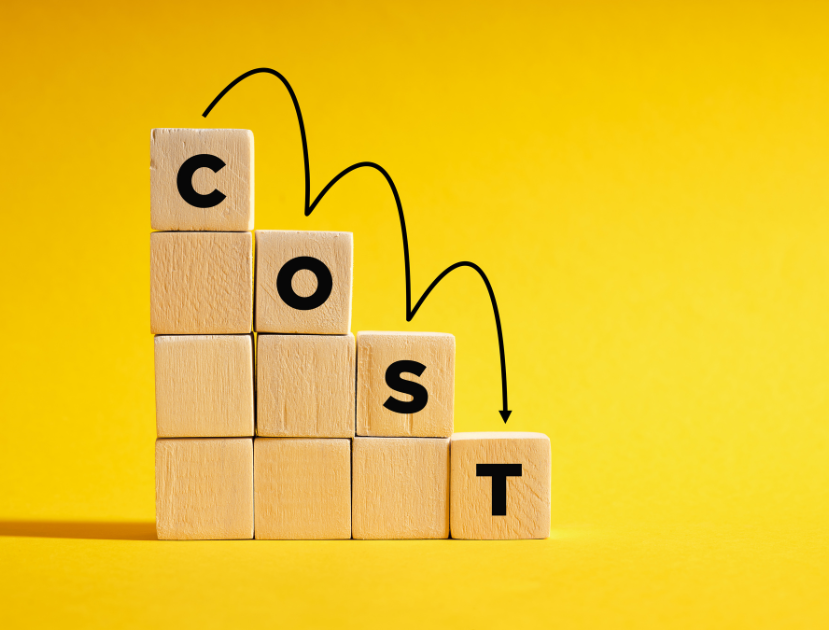
SME Cost Reduction Strategies
Small and medium-sized enterprises are the backbone of many economies, especially in the UAE, where startups and growing businesses continue to shape the commercial landscape. However, rising operational costs, inflation, market competition, and economic uncertainties often put pressure on SMEs to maintain profitability. This is why implementing effective SME cost reduction strategies has become essential for long-term sustainability and growth.
Cost reduction does not mean compromising on product quality, employee satisfaction, or customer experience. Instead, it involves identifying unnecessary expenses, improving operational efficiency, optimizing resources, and making strategic financial decisions. Businesses that manage their expenses effectively are often better positioned to survive economic downturns, invest in innovation, and achieve stable growth.
This blog explores practical and genuine SME cost reduction strategies that businesses can adopt to improve financial performance while maintaining operational excellence.
Understanding the Importance of SME Cost Reduction Strategies
For SMEs, every expense directly affects profitability and cash flow. Unlike large corporations, small businesses often operate with limited capital and narrower profit margins. Even minor financial inefficiencies can create significant challenges over time.
Reducing unnecessary expenses helps businesses improve liquidity, strengthen financial stability, and create room for expansion opportunities. Companies that regularly evaluate their operational costs can identify hidden financial leaks and allocate resources more effectively.
In addition, cost optimisation helps SMEs remain competitive in pricing without sacrificing quality. Businesses that operate efficiently can offer better pricing structures, attract more customers, and improve customer retention.
Conduct a Detailed Financial Audit
One of the first steps in reducing business costs is understanding where the money is being spent. Many SMEs continue paying for subscriptions, services, or operational processes that no longer provide value.
A detailed financial audit helps business owners evaluate recurring expenses, vendor payments, utility costs, payroll structures, and operational spending patterns. By reviewing financial statements regularly, businesses can identify unnecessary expenditures and areas requiring optimisation.
Financial audits also help SMEs detect duplicate payments, inefficient procurement practices, and excessive operational overheads. Once these areas are identified, businesses can create realistic cost-control measures without affecting productivity.
Optimise Operational Processes
Operational inefficiencies often increase business costs significantly. Many SMEs rely on outdated workflows, manual processes, or inefficient communication systems that waste time and resources.
Automation can play a major role in reducing operational costs. Businesses can automate accounting, invoicing, payroll processing, customer relationship management, and inventory tracking. This reduces human errors, saves time, and minimises administrative expenses.
Improving workflow management also helps reduce delays and resource wastage. Businesses that streamline operations often experience better productivity, improved employee performance, and lower operating expenses.
Use Cloud-Based Technology Solutions
Cloud computing has become one of the most effective cost-saving solutions for SMEs. Traditional IT infrastructure requires high investments in hardware, maintenance, and upgrades. Cloud-based platforms eliminate many of these expenses.
Businesses can use cloud accounting software, project management systems, and communication tools to reduce infrastructure costs while improving flexibility and collaboration. Cloud solutions also support remote working environments, helping businesses reduce office-related expenses.
Many SMEs in the UAE are increasingly adopting cloud technologies because they provide scalability, data security, and operational efficiency at lower costs.
Reduce Unnecessary Office Expenses
Office expenses are one of the major operational costs for SMEs. Rent, utilities, office supplies, and maintenance can consume a significant portion of business budgets.
Businesses can reduce these expenses by implementing hybrid work models or remote work arrangements where possible. Downsizing office space or using co-working spaces can significantly reduce rental and utility costs.
Energy-saving initiatives also contribute to cost reduction. Using energy-efficient lighting, reducing electricity consumption, and optimising air conditioning usage can lower monthly utility bills.
In addition, digitising documentation reduces paper consumption, printing costs, and storage requirements while improving operational efficiency.
Improve Inventory Management
Poor inventory management often results in unnecessary financial losses. Overstocking ties up working capital, while understocking can lead to missed sales opportunities and customer dissatisfaction.
SMEs should implement inventory tracking systems to monitor stock levels accurately and forecast demand efficiently. Proper inventory management helps businesses avoid wastage, reduce storage costs, and improve cash flow.
Businesses should also establish stronger relationships with suppliers to negotiate better pricing, flexible payment terms, and bulk purchase discounts. Supplier negotiations can significantly reduce procurement costs over time.
Focus on Supplier Cost Optimisation
Many SMEs continue working with the same suppliers for years without reviewing pricing structures. However, market conditions constantly change, and businesses may find better pricing opportunities elsewhere.
Regular supplier evaluations help businesses compare costs, quality, delivery timelines, and service reliability. Negotiating long-term contracts or consolidating suppliers can often result in reduced procurement costs.
Building strategic supplier partnerships can also provide access to discounts, credit facilities, and customised payment plans that improve cash flow management.
Strengthen Cash Flow Management
Effective cash flow management is essential for cost control and business sustainability. Poor cash flow planning often forces SMEs to rely on short-term financing or emergency borrowing, which increases financial costs.
Businesses should monitor receivables closely and ensure timely customer payments. Offering early payment incentives and implementing stricter payment policies can improve cash inflows.
At the same time, SMEs should carefully manage outgoing payments and avoid unnecessary spending during low-revenue periods. Proper budgeting and financial forecasting help businesses maintain better control over expenses.
Outsource Non-Core Activities
Hiring full-time employees for every business function can significantly increase payroll expenses. SMEs can reduce labor costs by outsourcing non-core functions such as accounting, payroll processing, IT support, digital marketing, and administrative services.
Outsourcing allows businesses to access specialised expertise without incurring the expenses associated with permanent staff, including salaries, benefits, training, and office space requirements.
Many SMEs in the UAE are increasingly outsourcing support functions to improve efficiency while focusing internal resources on core business activities and revenue generation.
Invest in Employee Productivity
Cost reduction should not come at the expense of employee morale or productivity. In fact, investing in employee training and workplace efficiency can help businesses save money in the long run.
Employees who understand operational processes and productivity expectations are more likely to work efficiently and minimize errors. Businesses should encourage performance optimization, cross-functional training, and efficient time management practices.
Providing employees with the right tools and technologies also improves productivity while reducing operational inefficiencies. High-performing teams contribute directly to better profitability and lower operational waste.
Use Digital Marketing Instead of Traditional Advertising
Traditional advertising channels often require large marketing budgets with uncertain returns. SMEs can significantly reduce marketing costs by focusing on digital marketing strategies.
Search engine optimisation, content marketing, email campaigns, and social media marketing provide cost-effective ways to reach target audiences. Digital marketing also offers measurable performance insights, allowing businesses to optimise campaigns and avoid unnecessary spending.
Businesses can focus on highly targeted campaigns that generate better leads and customer engagement at lower acquisition costs.
Monitor Business KPIs Regularly
Many businesses fail to reduce costs effectively because they do not track performance metrics consistently. Monitoring key performance indicators helps SMEs identify operational inefficiencies and financial risks early.
KPIs such as operating margins, customer acquisition costs, inventory turnover, revenue per employee, and cash conversion cycles provide valuable insights into business performance.
Regular monitoring enables businesses to make data-driven decisions and implement timely corrective measures before small financial issues become major problems.
Reduce Tax and Compliance Risks
Tax penalties, compliance fines, and inaccurate financial reporting can create unnecessary financial burdens for SMEs. Businesses should ensure proper accounting practices, timely tax filings, and compliance with UAE regulations.
Working with experienced financial consultants and tax advisors helps SMEs avoid costly compliance errors while optimizing tax planning strategies legally and effectively.
Proper bookkeeping and accurate financial reporting also improve decision-making and strengthen investor confidence.
Adopt Sustainable Business Practices
Sustainability is no longer only an environmental initiative. It has become an effective cost reduction strategy for businesses.
Reducing energy consumption, minimizing waste, using digital documentation, and implementing sustainable procurement practices can lower operational expenses significantly over time.
Customers and investors are also increasingly supporting environmentally responsible businesses, which can improve brand reputation and long-term profitability.
Create a Long-Term Cost Reduction Plan
Cost reduction should not be treated as a temporary exercise during financial difficulties. SMEs should develop long-term strategies focused on operational efficiency, financial discipline, and sustainable growth.
Businesses that regularly review expenses, monitor financial performance, and adapt to market changes are more likely to remain competitive and profitable.
A structured cost reduction plan should include measurable goals, periodic financial reviews, technology investments, and employee engagement initiatives. Sustainable cost optimization creates stronger businesses that can withstand economic fluctuations and market challenges.
Conclusion
Implementing effective SME cost reduction strategies is essential for improving profitability, maintaining financial stability, and supporting long-term business growth. SMEs that focus on operational efficiency, technology adoption, financial planning, and resource optimisation can significantly reduce unnecessary expenses without compromising service quality or customer satisfaction.
Cost reduction is not about cutting corners. It is about making smarter business decisions, improving productivity, and maximizing the value of every investment. Businesses that continuously monitor their expenses and adapt to changing market conditions are better equipped to achieve sustainable success in competitive environments like the UAE.
About My Taxman
My Taxman is a professional financial and tax consultancy firm in the UAE that helps businesses manage accounting, bookkeeping, VAT compliance, corporate tax, auditing, and financial advisory services. With a strong focus on accuracy, compliance, and business growth, My Taxman helps SMEs and enterprises optimise financial operations and achieve long-term success through expert financial guidance.