Corporate Tax Audit Process in UAE
Corporate Tax Audit Process in UAE has become an essential topic for businesses operating across the Emirates after the introduction of corporate tax regulations. Companies in the UAE are now expected to maintain transparent financial records, comply with tax laws, and prepare for possible audits conducted by the Federal Tax Authority (FTA). A corporate tax audit helps authorities verify whether businesses are accurately reporting their taxable income and meeting all legal obligations.
As the UAE strengthens its tax framework to align with international standards, businesses of all sizes must understand how the audit process works. Whether you run a startup, SME, or multinational company, proper knowledge of corporate tax audits can help you avoid penalties, maintain compliance, and build financial credibility.
Understanding Corporate Tax Process in the UAE
The UAE introduced corporate tax to diversify government revenue and enhance the country’s position as a globally trusted business destination. Corporate tax applies to the net profits of businesses exceeding the prescribed threshold. While many businesses enjoy competitive tax rates compared to other countries, compliance remains a legal requirement.
Corporate tax regulations are administered by the Federal Tax Authority. Businesses must register for corporate tax, maintain financial records, submit returns on time, and ensure that taxable income is accurately calculated. Failure to comply may lead to audits, fines, and legal complications.
A corporate tax audit is one of the mechanisms used by the FTA to ensure businesses follow these regulations correctly.
What Is a Corporate Tax Audit?
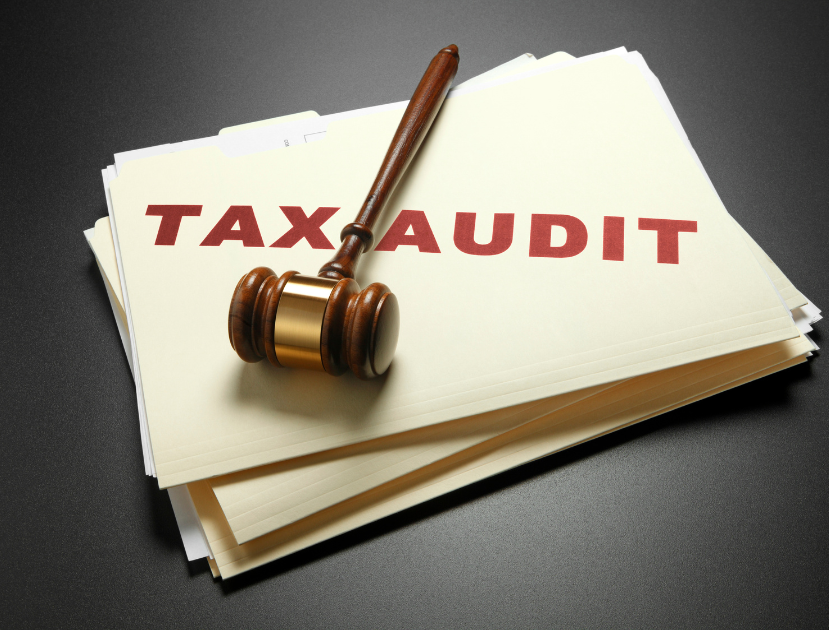
A corporate tax audit is an official examination of a company’s financial records, accounting systems, and tax filings by the tax authorities. The purpose is to confirm whether the business has accurately declared its income, deductions, exemptions, and tax liabilities.
The audit process helps identify discrepancies, underreporting, or non-compliance with UAE tax laws. It also promotes transparency and accountability within the corporate sector.
Audits may be conducted randomly or based on specific risk indicators such as inconsistent reporting, delayed filings, unusually low profits, or suspicious transactions.
Why Corporate Tax Audits Are Important in the UAE
Corporate tax audits play a crucial role in maintaining the integrity of the UAE’s financial system. They ensure that all businesses contribute fairly and comply with established regulations.
For businesses, audits encourage proper bookkeeping and financial discipline. Companies with organized financial systems often experience smoother audits and gain greater confidence from investors, banks, and stakeholders.
The UAE government also benefits from audits as they help reduce tax evasion and strengthen the nation’s reputation for financial transparency and regulatory excellence.
Key Stages of the Corporate Tax Audit Process in UAE
Notification of Audit
The audit process usually begins when the Federal Tax Authority sends an official notice to the business. This notification informs the company about the audit date, required documents, and the scope of the examination.
Businesses are generally given adequate time to prepare the requested records. The notice may be delivered electronically through the FTA portal or by official communication channels.
Preparation of Financial Documents
Once notified, the business must gather all relevant financial documents. These commonly include accounting records, invoices, bank statements, contracts, payroll reports, VAT filings, and tax returns.
Maintaining accurate and updated records is extremely important. Incomplete or inconsistent documentation can increase scrutiny during the audit.
Companies often seek professional assistance from tax consultants or auditors to ensure all documents are properly organized before submission.
Examination by Tax Authorities
During this stage, FTA officials review the submitted documents and compare them with tax returns and financial statements. They may ask additional questions regarding transactions, deductions, expenses, or revenue sources.
The auditors aim to verify whether the business has correctly calculated taxable income and complied with corporate tax laws.
The audit may take place at the company premises, remotely, or at the FTA office depending on the complexity of the case.
Audit Findings and Clarifications
After reviewing the records, the tax authority shares its findings with the company. If discrepancies are identified, the business may be asked to provide clarification or additional documentation.
This stage is important because misunderstandings or missing records can sometimes be resolved through proper explanations.
If errors are confirmed, the authorities may issue revised tax assessments or impose penalties.
Final Audit Report
At the conclusion of the audit, the FTA issues a final report outlining the results. The report may confirm compliance or highlight violations and corrective actions.
Businesses are expected to settle any outstanding tax liabilities or fines within the specified timeframe. In some situations, companies may have the right to appeal the findings according to UAE regulations.
Documents Required During a Corporate Tax Audit
Proper documentation is the backbone of a successful tax audit. Businesses in the UAE should maintain organized records for at least the legally required retention period.
Important documents generally include trade licenses, financial statements, tax registration certificates, invoices, expense receipts, payroll records, bank statements, contracts, and supporting schedules.
Digital accounting systems are increasingly recommended because they improve accuracy, reduce manual errors, and simplify the audit process.
Common Reasons Businesses Face Tax Audits
Several factors may trigger a corporate tax audit in the UAE. One common reason is inconsistent financial reporting. For example, if reported revenue does not align with VAT returns or banking transactions, the FTA may investigate further.
Late tax filings and repeated compliance failures can also increase audit risk. Businesses claiming unusually high deductions or reporting continuous losses may attract additional scrutiny.
Companies involved in international transactions or related-party dealings may also face audits to ensure compliance with transfer pricing regulations.
Penalties for Non-Compliance
The UAE government imposes penalties on businesses that fail to comply with corporate tax regulations. These penalties can arise from late registration, inaccurate tax returns, failure to maintain records, or non-payment of taxes.
Financial penalties may vary depending on the severity of the violation. In serious cases, businesses could face legal consequences or reputational damage.
Maintaining proper compliance practices helps companies avoid unnecessary penalties and operational disruptions.
How Businesses Can Prepare for a Corporate Tax Audit
Preparation is essential for reducing stress during a tax audit. Businesses should maintain accurate bookkeeping throughout the year instead of waiting until an audit notice arrives.
Regular internal audits can help identify discrepancies early. Companies should also ensure timely tax filings and proper documentation of all transactions.
Hiring experienced tax consultants can provide valuable guidance regarding UAE corporate tax laws and audit procedures.
Training finance teams on compliance requirements also improves readiness and minimizes errors.
The Role of Technology in Tax Audits
Technology has significantly improved tax compliance and auditing processes in the UAE. Many businesses now use cloud accounting software to automate recordkeeping and generate accurate reports.
Digital systems allow businesses to track invoices, monitor expenses, and maintain audit trails efficiently. They also help reduce human errors and simplify data sharing with tax authorities.
The FTA increasingly encourages electronic documentation and digital compliance practices as part of the UAE’s modern financial ecosystem.
Importance of Professional Tax Advisory Services
Corporate tax laws can be complex, especially for businesses dealing with multiple revenue streams or international operations. Professional tax advisors help companies understand legal obligations, optimize compliance strategies, and prepare for audits effectively.
Experienced consultants can also assist during the audit process by communicating with authorities, reviewing financial records, and ensuring accurate responses to audit queries.
Seeking professional support not only minimizes risks but also saves time and resources for businesses.
Future of Corporate Tax Compliance in the UAE
The UAE continues to evolve its tax environment to meet global standards and support sustainable economic growth. Businesses can expect increased focus on transparency, digital reporting, and compliance monitoring in the coming years.
Companies that proactively adopt strong accounting practices and tax governance frameworks will be better positioned for long-term success.
Understanding the corporate tax audit process is no longer optional. It is a critical component of responsible business management in the UAE.
About My Taxman
My Taxman is a trusted tax and accounting consultancy in the UAE, helping businesses manage corporate tax compliance, VAT, bookkeeping, auditing, and financial advisory services. With a team of experienced professionals, My Taxman supports companies in navigating complex tax regulations while ensuring transparency and operational efficiency. We deliver reliable, accurate, and customised financial services that help businesses stay compliant and grow confidently in the UAE market.