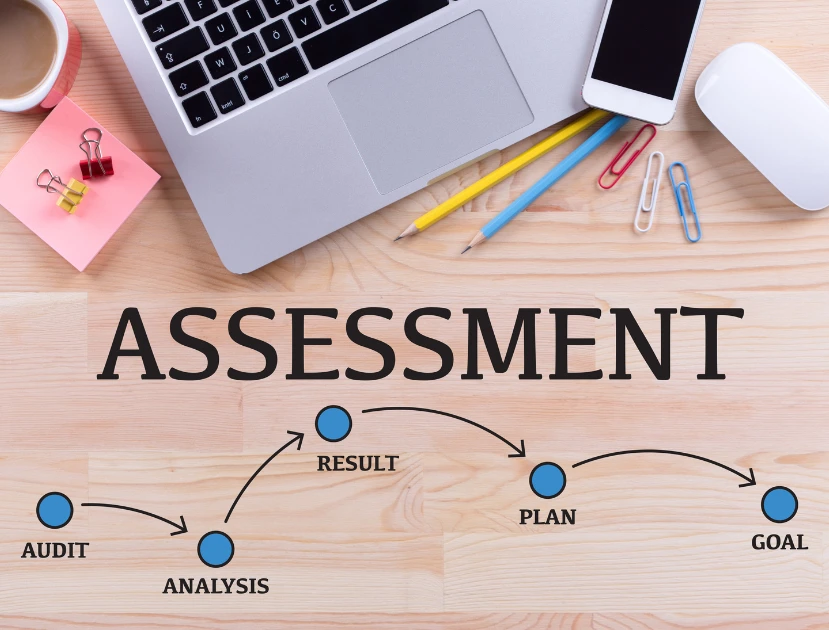
Audit Assessment Timeline 2026 is an important change in the way the tax authorities will start, perform, and end the audit with the newly changed Tax Procedures Law. These are structural changes. They have a direct influence on the duration of time available to tax authorities to scrutinize previous filings, speed with which taxpayers have to respond and the time it takes to issue an assessment.
The updated audit assessment schedule is no longer a choice of businesses and individuals alike. Failure to meet deadlines has become more procedurally risky, and response lateness may turn into penalties despite the defensibility of the underlying tax position. This blog disaggregates the new framework in simple terms, what has changed since previous years and how the taxpayers will be able to remain compliant in 2026 and further.
Understanding Audit Assessments Under the Tax Procedures Law
The tax authority is the auditor body that reviews the returns submitted within the period to ensure that the returns are accurate, complete and that all the provisions in the tax laws have been met. In case any discrepancy is detected, the authority gives an assessment which can raise taxes liability, give penalties or request documentation.
The Tax Procedures Law regulates such a process by providing rigid deadlines in the exercise of issuing notices, auditing, passing assessment orders, and letting taxpayers respond or appeal. These schedules in previous years were unstructured and were long. The amendments of 2026 are set to enhance enforcement and also provide procedural certainty.
Why the Audit Assessment Timeline Was Revised for 2026
The change in the audit assessment timeline to 2026 is representative of a larger policy change of expediting the dispute resolution process and enhancing the discipline of compliance. Tax authorities around the globe are abandoning the open-ended audits that span over a number of years.
In the new design, the government must operate within given windows. Simultaneously, taxpayers should be responsive, or they will lose their procedural rights. This balance should lessen the long-term uncertainty and also promote proper and timely filings at the initial stages.
Audit Assessment Timeline 2026: The New Framework Explained
Audit Proceedings are initiated: In accordance with the Audit Assessment Timeline 2026, the tax authorities should commence the process of the audit within a specific time frame following the completion of the corresponding assessment year. This window in most instances has been reduced in length than in past regimes.
This implies that audit notices will be received earlier by taxpayers and mostly within few years as opposed to when they were inactive after long durations. To a good tax paying citizen, this is closure. It reduces the preparation time of that with feeble documentation.
Issuance of Audit Notice: A formal notice should be given by the authority within the period of statutory time once an audit has been started. The notice stipulates the extent of the audit, the period under audit, as well as the documents needed.
Within the law, the clarity in audit notices is highlighted in 2026. Notices posted vaguely or too generally are becoming more questionable, yet the time frame to reply is limited. The lack of response within the stated timeframe may give the authority the ability to continue acting on a best-judgment basis.
Conduct of the Audit : Most interaction is done during the conduct phase. Law enforcers review documents, demand clarification and can demand further information. The internal deadlines in this phase are also stricter under the revised Audit Assessment Timeline 2026.
The completion of the audit by the authorities is supposed to take a specified period. The extensions are made in case of a peculiar cross-border transaction or a suspected fraud. In the case of routine cases, lengthy audits are no longer the order of the day.
Key Differences Between Pre-2026 and Audit Assessment Timeline 2026
The most noticeable change is compression. Earlier timelines allowed more time at each stage, often leading to audits spanning many years. The Audit Assessment Timeline 2026 replaces this with a more disciplined sequence.
Another difference lies in documentation expectations. Authorities now assume digital availability of records. Requests are more specific, but the tolerance for incomplete responses has reduced sharply.
Finally, accountability has increased on both sides. Authorities must act within time, but taxpayers must respond with precision and speed.
Practical Impact on Businesses and Professionals
For businesses, especially those with complex transactions, the revised audit assessment timeline demands proactive compliance. Waiting for an audit notice to organize records is no longer viable.
Tax professionals must also adjust their advisory approach. Planning now includes audit readiness, not just tax optimisation. Internal controls, reconciliations, and contemporaneous documentation play a larger role in risk management.
Small businesses and individual taxpayers are not exempt. Even simpler cases are subject to the same procedural discipline, making awareness essential across all taxpayer categories.
Common Risks Under the New Timeline
One of the biggest risks under the Audit Assessment Timeline 2026 is a delayed response. Even a technically strong tax position can fail if procedural timelines are missed.
Another risk is over-reliance on extensions. While extensions exist, they are discretionary and increasingly scrutinized. Assuming automatic approval can be costly.
Finally, inadequate documentation remains a core issue. Faster audits mean less time to reconstruct records, increasing exposure if documentation is weak.
How to Prepare for Audit Assessments in 2026
Preparation starts with understanding the timeline. Taxpayers should map filing years against potential audit windows and ensure records are readily accessible.
Regular internal reviews help identify issues before authorities do. Addressing discrepancies early reduces stress during audits and improves credibility.
Engaging advisors early in the process also helps. Strategic responses during the show cause stage can significantly influence outcomes under the compressed 2026 framework.
The Long-Term Effect of the Audit Assessment Timeline 2026
In the long run, the revised audit assessment timeline is expected to improve tax certainty. Faster closures benefit compliant taxpayers and reduce litigation backlogs.
However, the transition period requires adjustment. Those who adapt quickly will find the system more predictable. Those who do not may face avoidable disputes and penalties.
The Audit Assessment Timeline 2026 is not just a procedural update. It reshapes how taxpayers interact with the tax administration, emphasising discipline, transparency, and preparedness.
About My Taxman
My Taxman is a trusted tax advisory and compliance support platform dedicated to helping individuals and businesses navigate complex tax laws with confidence. From audit assistance and assessment responses to end-to-end compliance management, My Taxman focuses on practical solutions, timely advice, and clear communication. With a deep understanding of evolving tax procedures, My Taxman helps clients stay compliant, reduce risk, and respond effectively under frameworks like the Audit Assessment Timeline 2026.